For the modern writer, the computer is both a miracle and a curse. It provides the ability to draft, edit, and publish at unprecedented speeds, yet it also houses the entire internet—an infinite landscape of notifications, research rabbit holes, and social media feeds. When you sit down to write a difficult chapter, the temptation to open just one new tab is often overwhelming.
If you constantly find yourself “researching” for three hours only to produce a single paragraph, your writing environment is likely sabotaging your creative process. Understanding the benefits of distraction free writing is essential for any author, blogger, or copywriter who wants to finish their drafts. This guide explores the psychological advantages of isolating yourself with the blank page and how stripping away digital noise can radically transform your creative output.
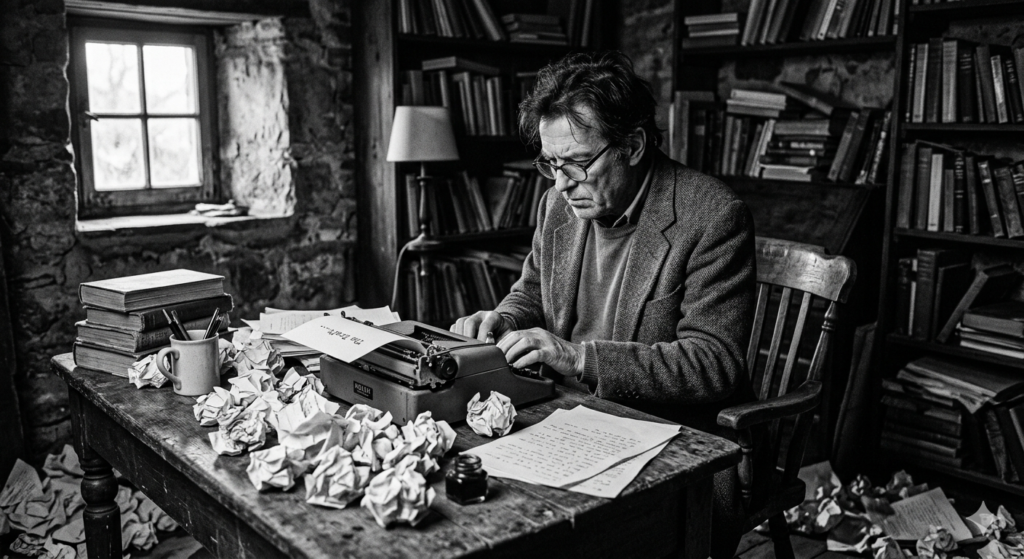
What is Distraction Free Writing?
Before exploring the creative benefits, we must clearly define the practice itself.
The benefits of distraction free writing stem from creating an environment—either physical or digital—where a writer has access to nothing but a blank page. By actively blocking internet access, notifications, and editing tools, this practice forces the brain to focus entirely on generating text.
The primary goal is to separate the drafting process from the editing process. When you write on a standard word processor connected to the internet, you are constantly bombarded by red squiggly lines indicating typos and the ever-present urge to fact-check a minor detail. Distraction-free methods remove these interruptions, allowing your brain to remain purely in a state of forward momentum.

Achieving Flow State Writing
The ultimate goal of any creative endeavor is to reach a psychological state where the work feels effortless.
When you eliminate external interruptions, you drastically increase your chances of achieving flow state writing. In this state, the inner critic goes quiet, and the words seem to pour onto the page automatically. Because you are not stopping to check emails or fix a misspelled word, your train of thought remains entirely unbroken.
Flow requires sustained attention. Every time you switch tabs to look at your phone, you shatter this delicate cognitive state. By committing to a distraction-free environment, you build the uninterrupted runway necessary for your brain to take flight and fully immerse itself in the narrative.
Overcoming Writers Block
Staring at a blinking cursor can induce a unique kind of anxiety. However, true inability to generate ideas is rare; more often, the problem is a fear of writing badly, combined with an easy escape route.
When you sit at a computer with internet access, your brain will naturally choose the path of least resistance. Instead of wrestling with a difficult sentence, you open a news website. A major benefit of this methodology is its effectiveness in overcoming writers block. When you physically cannot open a new tab or check a message, your brain is left with only two options: stare at a completely blank screen in silence, or write.
Boredom becomes your greatest ally. Without the instant gratification of digital distractions, writing a terrible first draft suddenly becomes more appealing than doing absolutely nothing.
Maximizing Word Count Output
For professional writers or participants in challenges like National Novel Writing Month (NaNoWriMo), raw volume is a critical metric.
When you stop task-switching, your typing speed naturally increases. Writers who switch to isolated environments frequently report doubling or tripling their hourly word count output. This happens because the cognitive load of resisting temptation is entirely removed. You are no longer spending mental energy deciding whether or not to check Twitter; the decision has been made for you by your environment.
Furthermore, because distraction-free writing encourages you to leave typos and structural errors for the second draft, you never stop your fingers from moving. This forward-only momentum is the secret to generating massive amounts of text in a single sitting.
Tools for Sustained Creative Focus
Creating this environment requires the right tools. You can approach this digitally or physically.
Digitally, there are dozens of full-screen text editors designed to block out your computer’s operating system, hiding the clock, battery life, and taskbar. However, for those who struggle with profound digital temptation, physical hardware provides the ultimate solution.
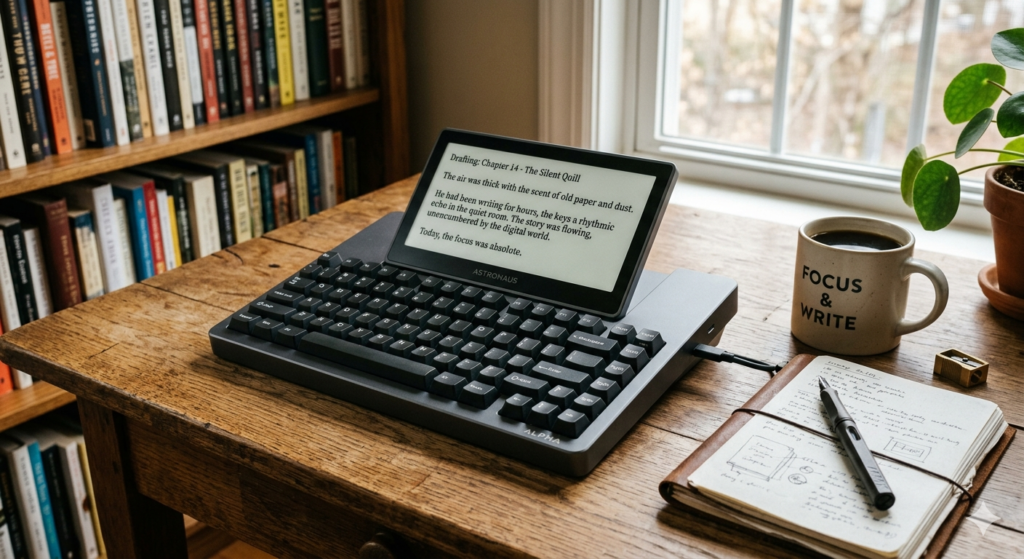
Many modern authors rely on a dedicated Freewrite or Alphasmart tool. These are essentially digital typewriters that possess a keyboard and a small screen, but zero internet browsing capabilities. By physically separating your drafting machine from your editing and research machine, you ensure absolute creative focus. This perfectly aligns with the Definition of Deep Work, proving that high-value creative output requires a fiercely guarded environment.
Conclusion
The benefits of distraction free writing go far beyond simply saving time. By actively removing the internet, notifications, and the temptation to edit-while-you-draft, you fundamentally change how your brain interacts with the blank page. This isolated approach is the most reliable method for achieving flow state writing, pushing through the anxiety of writers block, and dramatically increasing your daily word count output. Whether you utilize specialized software or dedicated offline hardware, protecting your creative focus is the single most important commitment a writer can make to their craft.
Frequently Asked Questions (FAQ)
What is the point of distraction free writing?
The point is to separate the creative process of drafting from the analytical process of editing and researching. By removing toolbars, spellcheck, and internet access, the writer is forced to maintain forward momentum, which increases word count and helps induce a flow state.
How does removing distractions help with writer’s block?
Writer’s block is frequently a masking of anxiety. When the internet is available, writers escape the discomfort of writing a bad first draft by browsing the web. When distractions are removed, the writer is forced to sit with the boredom and discomfort, which inevitably leads to writing.
Should I edit while I write?
No, editing while writing engages the analytical side of your brain, which directly interrupts the creative flow. Distraction-free writing encourages a “draft now, edit later” philosophy, leading to much faster completion of first drafts.
What tools can I use for distraction free writing?
You can use software solutions like minimalist full-screen text editors (e.g., FocusWriter, iA Writer) or website blockers (e.g., Freedom, Cold Turkey). Alternatively, many writers use dedicated offline hardware like digital typewriters or even basic pen and paper.