In the modern workplace, the expectation of constant connectivity has created a new class of occupational hazards. Professionals are required to process endless streams of data, answer emails at all hours, and bounce seamlessly between video calls. While technology has made us faster, this unrelenting pace often comes at a significant cost to our mental and physical health. Understanding tech burnout is the first crucial step toward reclaiming your well-being in a hyper-connected world.
This condition is not simply a matter of feeling tired after a long Tuesday. It is a profound, systemic depletion of your body’s resources that cannot be cured by a standard weekend off. By examining the medical and mental signs of overworking, we can identify how screen dependency alters our physiology. This guide explores the biological realities of digital exhaustion and offers actionable, science-backed strategies for managing chronic workplace stress.

The Biology of Digital Exhaustion
Understanding tech burnout means recognizing the severe state of physical and mental collapse caused by prolonged, unrelenting screen time and digital demands. It is a specific occupational phenomenon characterized by extreme digital exhaustion, emotional detachment from work, and a measurable drop in cognitive performance.
When you are constantly bombarded with notifications, your brain interprets these interruptions as micro-threats. The nervous system shifts into a low-grade “fight or flight” mode, draining valuable energy reserves. Over time, this constant state of high alertness degrades your ability to process information efficiently.
This persistent strain leads directly to digital exhaustion. Your eyes become strained, your posture suffers, and your brain physically struggles to transition from a state of high alert back to baseline relaxation.
Cortisol Levels and Chronic Stress Symptoms
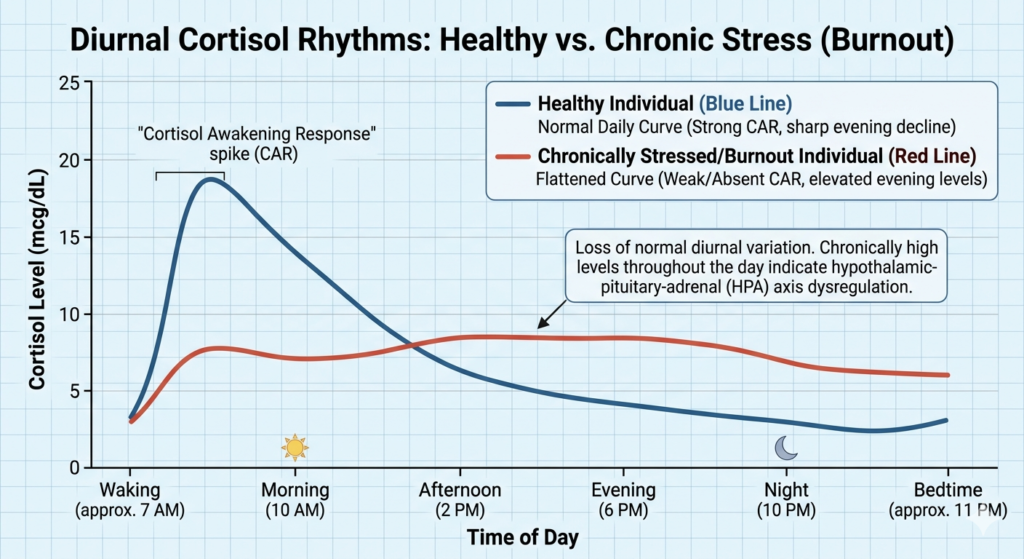
The biological driver behind this exhaustion is the endocrine system, specifically the production of stress hormones. Every ping, urgent email, and endless feed scroll prompts the adrenal glands to release cortisol.
While short bursts of elevated cortisol levels are healthy and necessary for waking up or reacting to immediate danger, chronic exposure is toxic. When your body cannot clear these hormones from the bloodstream, you begin to exhibit severe physical reactions.
Common chronic stress symptoms associated with this continuous hormonal flood include:
- Persistent tension headaches and migraines.
- Severe sleep disruption and insomnia, even when physically exhausted.
- Digestive issues and an unexplained weakened immune response.
- Heightened irritability and emotional numbness.
Tech Burnout vs. Adrenal Fatigue
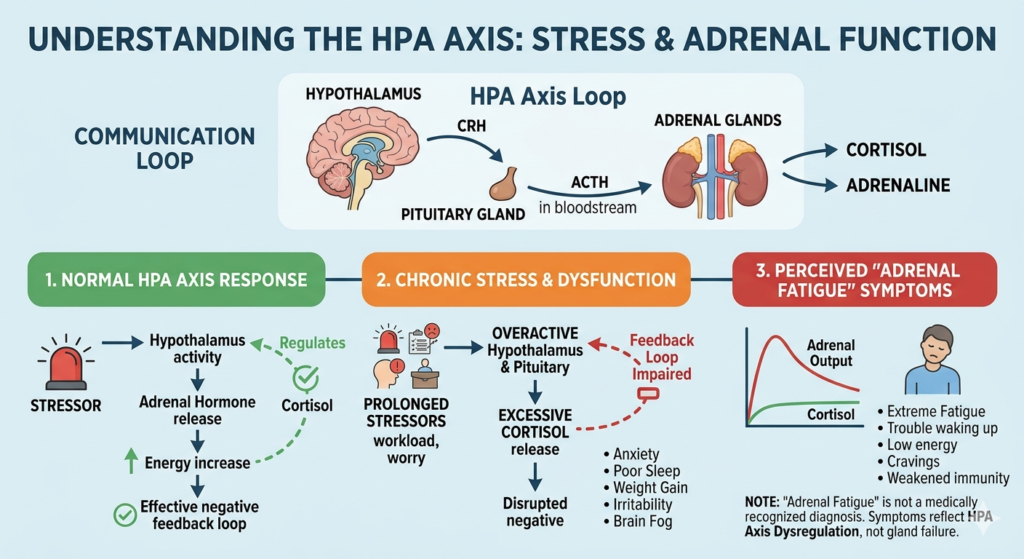
As professionals search for answers to their exhaustion, the term adrenal fatigue is often used colloquially. It is important to distinguish between popular terminology and medical consensus.
In alternative medicine, adrenal fatigue suggests that the adrenal glands are “burned out” and can no longer produce adequate hormones. However, mainstream endocrinology recognizes this phenomenon as Hypothalamic-Pituitary-Adrenal (HPA) axis dysfunction. The glands themselves are usually fine, but the brain’s signaling system has become entirely dysregulated by constant stress.
Whether you call it adrenal burnout or HPA axis dysfunction, the resulting physical reality is the same. The body loses its ability to regulate energy, leaving you feeling wired at night and completely depleted during the day.
Practical Strategies for Managing Burnout
Managing this condition requires a deliberate decoupling from the digital triggers that cause the stress response. You must actively train your nervous system to power down.
Begin by establishing strict, non-negotiable boundaries around your technology use. This means implementing “no-screen” zones, such as the bedroom or the dinner table, and turning off all non-essential push notifications. Additionally, many professionals find that utilizing a structured stress relief supplements or meditation app can help systematically guide the nervous system back to a baseline state of calm before bed.
Once you have stabilized your stress response, you can begin to rebuild your concentration. Exploring the underlying Science of Focus can help you establish healthier, more intentional work patterns. Recovery is a gradual process of prioritizing biological rest over digital productivity.
Conclusion
Understanding tech burnout is essential for anyone navigating the modern, screen-centric workplace. By recognizing the physical toll of elevated cortisol levels and the reality of digital exhaustion, we can stop viewing our fatigue as a personal failure. Burnout is a biological response to an unnatural environment. By setting firm digital boundaries, respecting our chronic stress symptoms, and prioritizing nervous system regulation, we can sustainably manage our workloads and protect our long-term health.
Frequently Asked Questions (FAQ)
What are the early signs of tech burnout?
Early signs include a persistent dread of opening your inbox, cynical or detached feelings toward your colleagues, chronic fatigue, and an inability to concentrate on single tasks. You may also notice physical signs like eye strain or a stiff neck.
How do cortisol levels affect my sleep?
Cortisol is a wakefulness hormone that should naturally decrease in the evening. Constant digital stimulation keeps cortisol levels artificially high, which suppresses melatonin production and makes it incredibly difficult to fall and stay asleep.
Is digital exhaustion recognized by medical professionals?
While “digital exhaustion” is a descriptive term, the broader concept of occupational burnout is officially recognized by the World Health Organization (WHO) as an occupational phenomenon resulting from chronic workplace stress that has not been successfully managed.
How long does it take to recover from burnout?
Recovery timelines vary significantly depending on the severity of the exhaustion. Mild cases may improve with a few weeks of strict digital boundaries and rest, while severe cases involving HPA axis dysfunction can take several months to a year of dedicated lifestyle changes.